
What Defines Quality and Durability in Kitchen Cabinets?
March 14, 2026
A Quick Guide from The Insider Studio
When you’re investing in new cabinetry, it helps to understand the construction details that truly determine quality, durability, and long‑term performance. And while budget always matters, it’s worth remembering a simple truth: you’re not just paying for cabinets- you’re paying for how long they’ll last, how well they’ll function, and how they’ll look years down the road. As the old saying goes, “The bitterness of poor quality remains long after the sweetness of a low price is forgotten.”
After more than 25 years in the industry, we’ve seen firsthand what works, what fails, and what truly stands the test of time. That depth of experience shapes every recommendation we make and every cabinet we stand behind- from understanding how materials behave in real homes to recognizing which construction methods hold up through decades of daily use. It’s the kind of knowledge you only gain through years of building, refining, and continually improving.
Now let’s dig into what truly defines cabinet quality and the essentials every homeowner should know to make a confident, informed choice.
KCMA Certification
The Kitchen Cabinet Manufacturers Association (KCMA) tests cabinets for structural strength, drawer and door durability, and finish resistance to heat, moisture, and household chemicals. KCMA‑certified cabinets have passed rigorous, standardized durability tests- something most small custom shops do not participate in.
Superior Box Construction
Thicker materials outperform thinner panels.
Plywood offers better screw‑holding power and is less prone to swelling than particleboard or MDF.
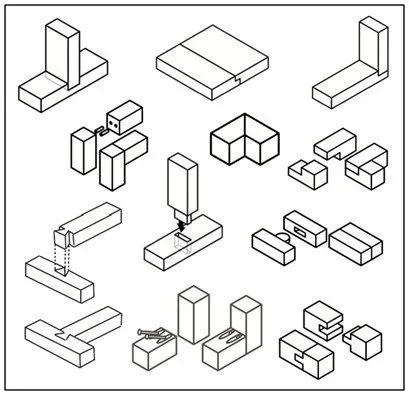
Dadoed construction (panels fitting into grooves) is stronger than stapled‑and‑glued assembly.
Reinforced corner gussets and braces help keep cabinets square and stable.
A well‑joined hanging rail ensures wall cabinets stay securely mounted.
Drawer & Shelf Quality
Dovetail joints (interlocking wood joints) are far stronger than glued butt joints, which simply glue two flat edges together. Dovetail drawers resist pulling apart and hold up better under heavy use.
Drawer bottoms should be at least ¼″ thick and ideally captured inside a structural groove (a dado) cut into the drawer sides, which keeps them securely in place and prevents them from falling out under weight.
Undermount, full‑extension self-close glides offer smoother quiet operation and full access.
Plywood shelves resist sagging better than particleboard or MDF. However, some woodworkers note that premium MDF can outperform certain plywoods that contain internal voids or have less consistent core quality. Adding support cleats along the back of the cabinet can help prevent sagging when the shelf span is wide.
Metal shelf clips are stronger and safer than plastic ones.
Durable Finishes
Factory finishes often use catalyzed coatings—chemically hardened for superior scratch, moisture, and chemical resistance. Look for:
High‑solids content (more protective material left on the wood)
UV‑protective coatings to prevent yellowing and fading
Why Factory‑Made Cabinets Aren’t Necessarily Inferior to Custom Cabinets
Many homeowners assume “custom” means better quality, but that’s not always true. In fact, factory‑made cabinets often outperform local custom cabinetry in consistency, durability, and finish quality.
Here’s why:
1. Precision Machinery
Factories use CNC routers, automated joinery systems, and laser‑guided cutting tools. This produces square boxes, consistent tolerances, and stronger joints than most hand‑built methods.
2. Superior Finishing Technology
Factory finishes are applied in dust‑free, climate‑controlled environments using catalyzed coatings and UV‑curing systems. These finishes are harder, more durable, and more consistent than typical small‑shop lacquer.
3. KCMA‑Certified Durability
Many factory cabinets undergo standardized durability testing—something custom shops rarely do.
4. Better Material Control
Factories monitor wood moisture levels and maintain controlled environments to ensure the lumber reaches EMC (Equilibrium Moisture Content) before it’s machined. Keeping wood at EMC dramatically reduces warping, cracking, and joint failure because the material is already stabilized to the shop’s temperature and humidity.
5. More Efficient Material Yield
Factories use computerized optimization software that calculates the most efficient way to cut every sheet of plywood or hardwood. They also recycle off‑cuts for components, fillers, or engineered panels, which results in far less waste overall.
6. Worker Safety- industrial ventilation and air filtration
Large manufacturing facilities operate with advanced HVAC and dust‑collection systems that maintain clean air. These systems reduce airborne sawdust, chemical fumes, and finish overspray—creating a safer, healthier environment for workers.
7. Human Craftsmanship Still Matters Even with advanced automation, factories still rely on skilled craftspeople at key stages of production. Experienced wood selectors match grain and color across each order to ensure visual harmony. Quality‑control teams inspect components at multiple checkpoints, catching issues long before cabinets reach a home. Many finishing steps—such as hand‑sanding, touch‑ups, and detail work—are still performed by trained technicians who understand wood behavior and finishing nuances. This blend of precision machinery and human expertise results in cabinets that are both consistent and beautifully crafted.
Key Takeaways
Quality cabinetry isn’t defined by marketing terms like “custom” or “semi‑custom”—it’s defined by the materials, engineering, and craftsmanship behind every box, drawer, and finish. The strongest cabinets use durable plywood, reinforced joinery, dovetail drawers, and factory‑applied finishes that outperform what most small shops can achieve. Factory‑made doesn’t mean impersonal; it means precision machinery paired with skilled human oversight, consistent quality control, and safer working environments.
We’d Love to Hear From You
Tell us what you think—your experiences, your opinions, or even the little details you notice when you’re comparing cabinets. Drop a comment and join the conversation. We love hearing from homeowners who care about quality as much as we do, and your insights help shape the topics we explore next.