
The Homeowner’s Guide to Cabinetry & Humidification
April 11, 2026
A Quick Guide from The Insider Studio
To keep your new cabinets looking their best, it’s important to understand how indoor humidity influences their condition. Wood is a natural material, and the way it responds to moisture in the air can affect how your cabinetry looks and performs throughout the year.
A relative humidity range of 30–55% is ideal when outdoor temperatures are between 50–85°F. Staying within this range helps keep your home comfortable and prevents issues that can arise from humidity swings—especially with wood cabinetry and furniture. A digital hygrometer makes it easy to monitor humidity, and many indoor thermostats include one.
For homes that struggle with seasonal moisture changes, investing in a quality dehumidifier is an effective preventative measure. It helps stabilize indoor humidity, protects wood surfaces, and reduces the likelihood of swelling, shrinking, or joint movement throughout the year.
Installation Considerations
Cabinet manufacturers advise storing and installing cabinetry in a temperature‑ and humidity‑controlled environment to keep the wood stable and minimize movement.
Allow cabinets to acclimate in your home for a few days prior to installation so they can settle and avoid temporary swelling or shrinking.
Complete moisture‑producing tasks like drywall taping or concrete work before cabinets arrive, since they can significantly raise humidity levels.
How Wood Responds to Humidity
Wood is a natural material that expands and contracts as humidity changes. These reactions are normal and not considered defects.
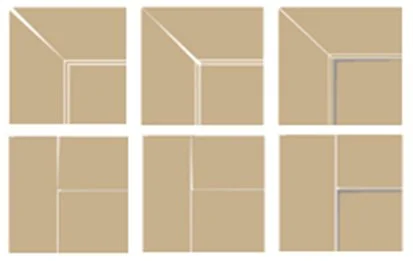
High humidity: Wood absorbs moisture and swells. This can cause miter joints to open or become more visible. Cope‑and‑stick doors may also show minor changes, though typically less pronounced.

Low humidity: Wood loses moisture and shrinks. This can again cause miter joints to open or become more visible. Cope‑and‑stick doors may also show minor changes, though typically less pronounced.

Panel movement: In dry conditions, the center panel may shift within the frame, creating small gaps or exposing unfinished edges.

These tend to be more noticeable on painted finishes and mitered door styles, where even small shifts are easier to see.
As Norm Abram of This Old House explains, “Hairline cracks are unavoidable in wood cabinets, top-of-the-line or not. They occur wherever there's a joint between pieces of wood with grain running in different directions… The pieces expand and contract at different rates with changes in humidity… A painted finish, no matter how good or how carefully applied, just can't keep up.” He also notes that these cracks are often more visible in winter when indoor air is driest, and that maintaining a consistent humidity level—often with the help of a humidifier—can minimize their appearance.
A Natural Material That Lives With Your Home
Your new cabinets are built to last for many years. With an understanding of how humidity affects wood, you’ll be better prepared to maintain their beauty and appreciate the natural character of a living, breathing material. A simple habit of monitoring your home’s humidity throughout the year will help protect your investment and keep your cabinetry performing at its best.
We’d Love to Hear From You
Drop a comment below and tell us how you manage humidity in your home—or what questions you have about keeping your cabinets in top shape.